
Using Art to Improve Team Communication Through Collaboration
Updated: 3d
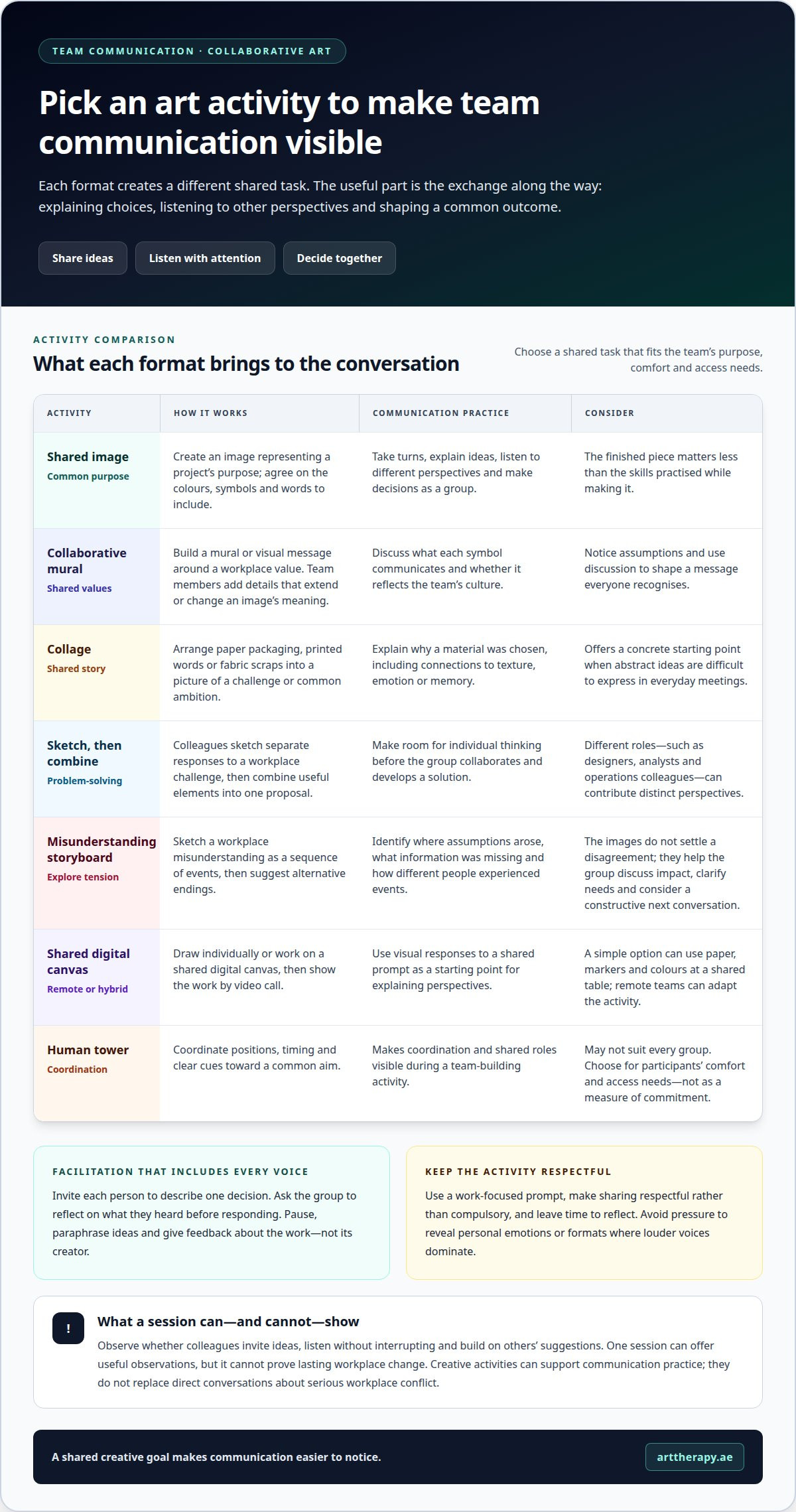
Shared art can help a team move through a communication impasse. Using art to improve team communication gives colleagues a shared task where they can listen, exchange ideas and work toward a common outcome. It also creates room for perspectives that may be harder to express in a fast-moving conversation.
When tension or misunderstanding gets in the way, conversation alone may not be enough. A creative activity won’t resolve every disagreement, but it can offer a calmer setting to notice different communication styles, practise listening and find common ground. Here’s how collaborative art can support shared goals, workplace relationships, conflict resolution and inclusion, and what to consider when choosing an activity for your team.
Table of Contents
Collaboration and shared goals
A shared art project makes a common goal visible as it takes shape. Colleagues might create an image representing a project’s purpose, then decide together which colours, symbols and words to include. Each choice invites people to explain an idea, listen to another perspective and agree on a direction. The finished piece matters less than the skills practised along the way: taking turns, combining suggestions and making decisions as a group.
Collaborative graffiti or a visual message can make this exchange especially visible. A team might build a mural around a shared workplace value, with one person proposing an image and others adding details that extend or change its meaning. The group can pause to discuss what each symbol communicates and whether it reflects the team’s culture. This process helps colleagues notice how assumptions arise, then use discussion to shape a message everyone recognises.
A collage offers another way to create a shared story. Team members can choose materials such as paper packaging, printed words or fabric scraps, then arrange them into a picture of a challenge or common ambition. One person may choose a material for its texture, while another connects it to an emotion or memory. Explaining these choices gives colleagues a concrete starting point for conversation, especially when abstract ideas are difficult to express in everyday meetings.
Creative problem-solving also depends on bringing different perspectives to the same task. In a group image-making activity, colleagues might first sketch separate responses to a workplace challenge, then combine useful elements into one proposal. This gives people time to think individually before they collaborate. Buffalo State College leadership training programs incorporating art improved participants’ problem-solving skills. In a multidisciplinary team, designers, analysts and operations colleagues can each add a distinct perspective, then use the shared artwork to identify connections and develop a solution together. This collaborative dynamic extends across technical fields as well; for instance, scientific research teams coordinating complex investigations and sourcing supplies through zm-peptide-ireland.ie similarly rely on open communication and shared problem-solving to align on project goals.
Art activities and team communication
Workshop length should match the activity, group energy and time available for making and reflection. A useful session leaves space to create, share observations and discuss how participants communicated.
To assess the activity, observe specific behaviours, such as whether colleagues invite ideas, listen without interrupting and build on others’ suggestions. One session can provide useful observations, but it cannot prove lasting workplace change.
Art Activities as Team-Building Events
An art activity becomes a team-building event when participants make or complete something together through shared roles and communication. A human-tower activity, for example, depends on people coordinating positions, timing and clear cues toward a common aim. That makes coordination visible, but this kind of activity may not suit every group. Choose an option that fits participants’ comfort and access needs rather than treating physical challenge as a measure of commitment.
Group Art and Open Dialogue
Group art creates a shared focus that can help colleagues start conversations about ideas and feelings. Participants might make an image representing a workplace strength, then describe the choices behind it. One person may interpret a colour differently from another, creating space to explore different perspectives without turning the exchange into a debate. This can make an art workshop a thoughtful option for team building and workplace events.
Facilitation and Active Listening
A facilitator gives the activity structure and helps make room for every voice. They can invite each person to describe one decision, then ask the group to reflect on what they heard before responding. This makes active listening visible: people pause, paraphrase an idea and give feedback about the work rather than judging its creator. The process matters more than artistic skill.
Risks of Art-Based Team Building
Art-based team building can feel uncomfortable if people fear judgement, dislike sharing publicly or feel pressured to reveal personal emotions. A competitive format may also give louder voices more influence. Use a work-focused prompt, make sharing respectful rather than compulsory, and leave time to reflect. These boundaries help keep the activity inclusive. It can support communication practice, but it does not replace direct conversations about serious workplace conflict.
For a facilitated creative session with a shared project and time for reflection, explore corporate team-building events.
Art as a tool for conflict resolution in teams?
Art can make unspoken perspectives visible and offer a gentler starting point for discussing friction. For a simple activity, use paper, markers and colours at a shared table. Remote or hybrid teams can draw individually or use a shared digital canvas, then show their work by video call.
Creative Engagement and Empathy
Creative engagement means making something while noticing how colleagues interpret the same prompt. It matters because a visual response can give people another way to express feelings and explain what shaped their perspective. For example, ask each person to draw what effective teamwork looks like, then invite them to describe one detail. Listening to the reasons behind different images can deepen understanding without judging anyone’s artistic skill.
Creative Activities and Interpersonal Conflict
A creative activity can help colleagues explore tension from more than one viewpoint. Team members might sketch a workplace misunderstanding as a sequence of events, then suggest alternative endings. Each person can identify where assumptions arose and what information was missing. The images won’t settle the disagreement by themselves, but they give the group a concrete way to discuss impact, clarify needs and consider a constructive next conversation.
Creative Problem-Solving and Innovation
Creative problem-solving uses visual exploration to help teams move beyond their first proposed answer. In a workshop, participants might draw several possible responses to a shared work challenge, then combine elements into a new idea. This makes experimentation visible and gives quieter contributors a way to offer suggestions. Comparing the options can help colleagues find mutually useful solutions, while the process of revising ideas supports innovation and flexible thinking.
Creative Culture and Team Dynamics
A creative culture makes room for people to contribute ideas, respond thoughtfully and learn from different approaches. At recurring art events, a team can reflect on how decisions were made: whose suggestions shaped the piece, how feedback changed it and whether everyone had a chance to participate. These observations can reveal everyday patterns in team dynamics. Art activities support communication practice, but serious or ongoing conflict still needs direct discussion.
Communication challenges and inclusion
Different communication preferences, language comfort and sensory needs can affect who feels able to contribute. Make an activity more accessible by offering simple choices, flexible ways to participate and the option to share thoughts verbally, visually or in writing.
Communication Challenges in Teams
Inclusion can be difficult when fast discussion, specialist language or strong voices determine whose ideas get attention. A colleague who needs more time to organise their thoughts, for example, may struggle to contribute during rapid brainstorming, even with useful insights. An artistic task gives the team another channel: someone can sketch a suggestion, select an image or write a few words before speaking.
Facilitators can encourage balanced participation by allowing quiet reflection before group discussion. Invite each person to share one observation, while letting colleagues pass or contribute in another format. For a team with different language preferences, a visual prompt can help people express an idea without needing to find perfect words immediately. Discuss the work respectfully, without making assumptions about the person who created it.
Accessible Activities for Different Abilities and Skill Levels
An accessible activity offers more than one way to take part, without making artistic ability the measure of success. In a painting task, participants might use brushes, sponges or pre-cut shapes, depending on their comfort and mobility. They could choose colours, arrange materials, describe an image for a teammate to make or contribute a written phrase. Each role can be equally valuable.
Keep the prompt clear and the creative choices open. Ask the group to represent “what helps us work well together” using colour, shape or words. Offer seated and standing options, allow extra time where needed, and don’t require anyone to explain personal feelings. These choices welcome different forms of participation while keeping the focus on shared ideas and communication.
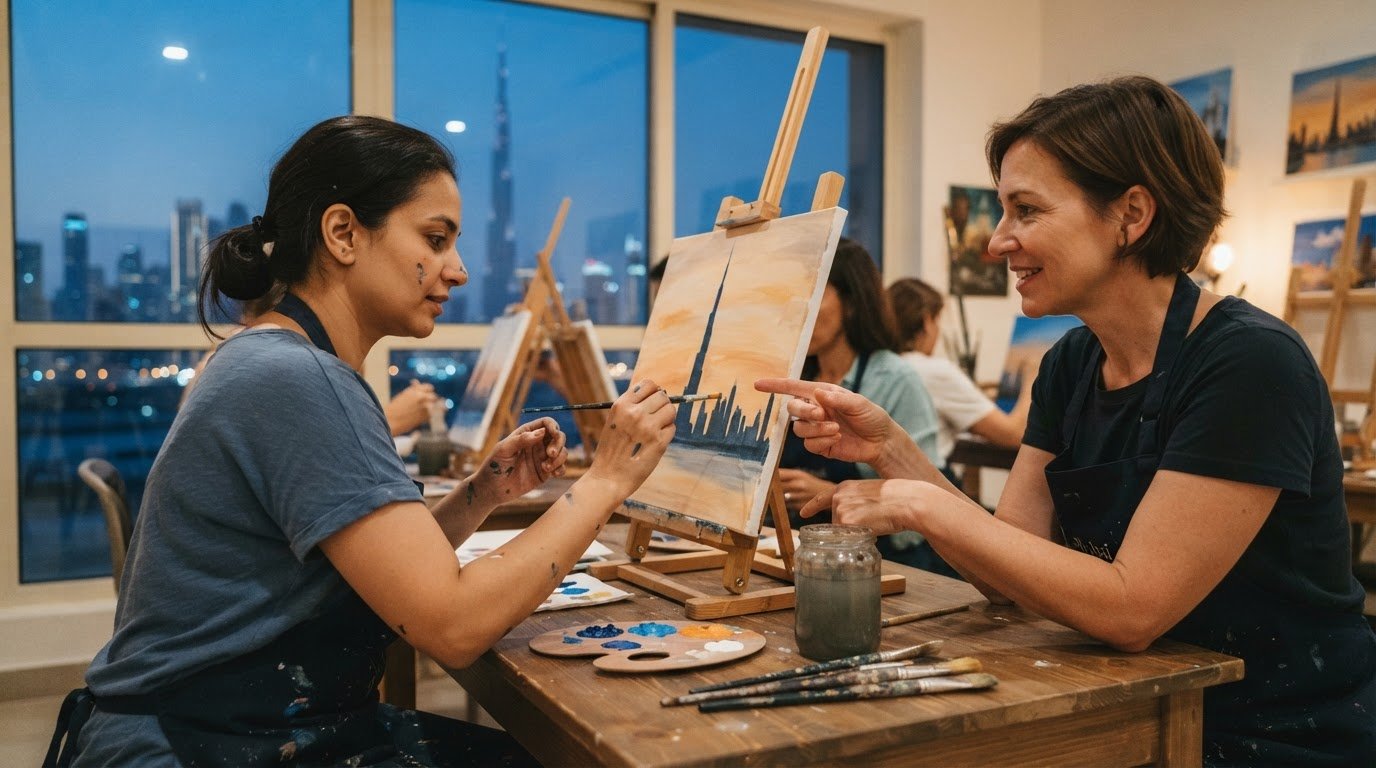
For a guided activity with flexible ways to create, an acrylic painting workshop can give colleagues a shared visual prompt and room to contribute in their own way.
Art Therapy: Corporate Team Building Events
Art Therapy offers Corporate Team Building Events for teams that want to practise communication through a shared creative experience. This can be a natural next step when colleagues would benefit from working together outside their usual routines, especially around a clear shared goal.
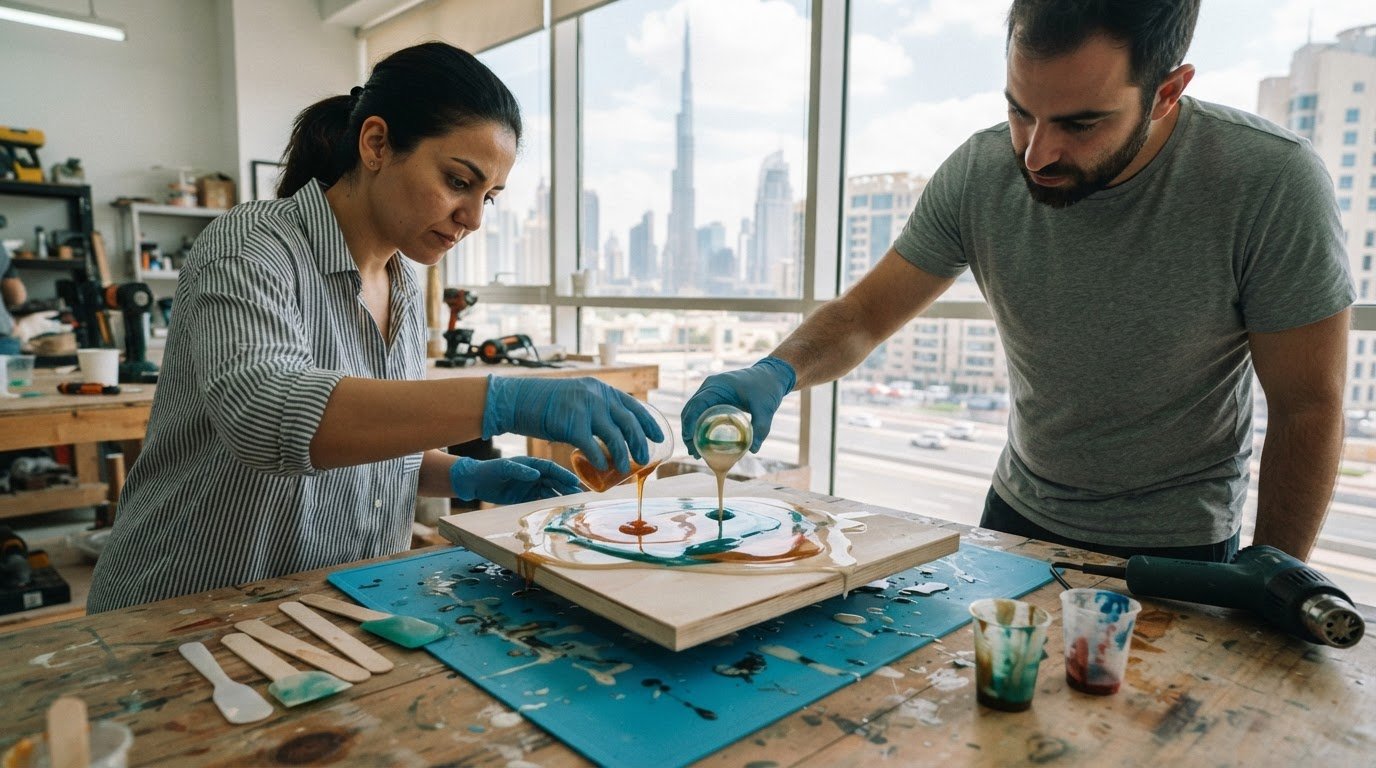
Activities can include a Resin Art Workshop, Acrylic Painting Workshop or Oil Painting Workshop. Each gives participants a creative process to explore together, with opportunities to exchange ideas and reflect on how they collaborated. The focus is on taking part, not producing a perfect final piece.
If your team is considering an art-based session, contact Art Therapy to discuss a Corporate Team Building Event.
Make Space for a Different Kind of Conversation
A team’s next step doesn’t need to be a grand gesture. Begin with a shared creative experience that gives colleagues different ways to contribute, then carry that spirit of curiosity into everyday work. Using art to improve team communication can help teams notice how ideas are welcomed, how people make space for one another and what they might try differently next time.
For teams ready to explore this together, Art Therapy offers Corporate Team Building Events alongside Resin Art, Acrylic Painting and Oil Painting Workshops. Each provides a creative setting for colleagues to make, reflect and connect through a shared activity. The best starting point is the one that feels approachable for your team and fits what you hope to explore.
Contact Art Therapy to discuss a team session, and take a gentle first step toward making more room for connection. A new conversation can begin with one shared idea.
Frequently Asked Questions
How can art activities improve team communication?
Using art to improve team communication gives colleagues a practical way to notice how they exchange information. Try a drawing relay: one person describes a simple shape or arrangement while a teammate draws, then they compare what was understood. The exercise can reveal where instructions need clarification and help a team practise asking questions before assumptions lead to mistakes during a work handoff.
What art-based team-building activities work best for workplace teams?
The best fit depends on what the team wants to practise. A pass-the-pattern exercise encourages people to build on one another’s contributions, while a group storyboard can help teams explore how a project moves from idea to delivery. For a quieter group, individual sketches followed by paired discussion may feel more comfortable. Choose a prompt connected to work, such as making a smooth client handoff clearer.
How to facilitate a collaborative art activity for a team step by step?
Keep the exercise simple and tie it to one communication behaviour. For a drawing relay:
Choose a neutral image or work-related object as the prompt.
Pair participants, with one describing and one drawing.
Ask the describer to clarify, without taking over the drawing.
Switch roles and compare how each pair communicated.
Close by naming one question or listening habit the team wants to carry into its next meeting.

Comments